- Vadym Humeniuk - Resident Architect
- Learn
- Hits: 396
Datapunkt: Comprehensive Data Platform Beyond Traditional DWH
Introduction
As of now, businesses require more than just a traditional Data Warehouse (DWH) to manage, analyze, and leverage their data. They need an integrated data platform capable of addressing complex, scalable, and high-performance needs. Datapunkt steps beyond the limitations of traditional DWH solutions by offering a holistic platform that combines advanced analytics, business intelligence, and multi-functional capabilities—all under a unified system.
Here's how Datapunkt differentiates itself from other data warehousing solutions, making it the ultimate choice for businesses aiming to unlock the full potential of their data:

1. More than Just a Data Warehouse
Traditional DWH solutions typically focus on organizing and storing data for querying and reporting. Datapunkt transcends this model by acting as a comprehensive Data Platform that integrates all necessary data management functionalities.
- Integrated Data Management: Datapunkt serves not only as a data repository but as a platform that enables advanced analytics, business intelligence, and large-scale data processing.
- Unified Data Platform: Businesses can seamlessly connect their data across all departments and use cases, avoiding the silos often created by traditional DWH solutions.
2. Datapunkt BI: A Self-Sufficient Solution
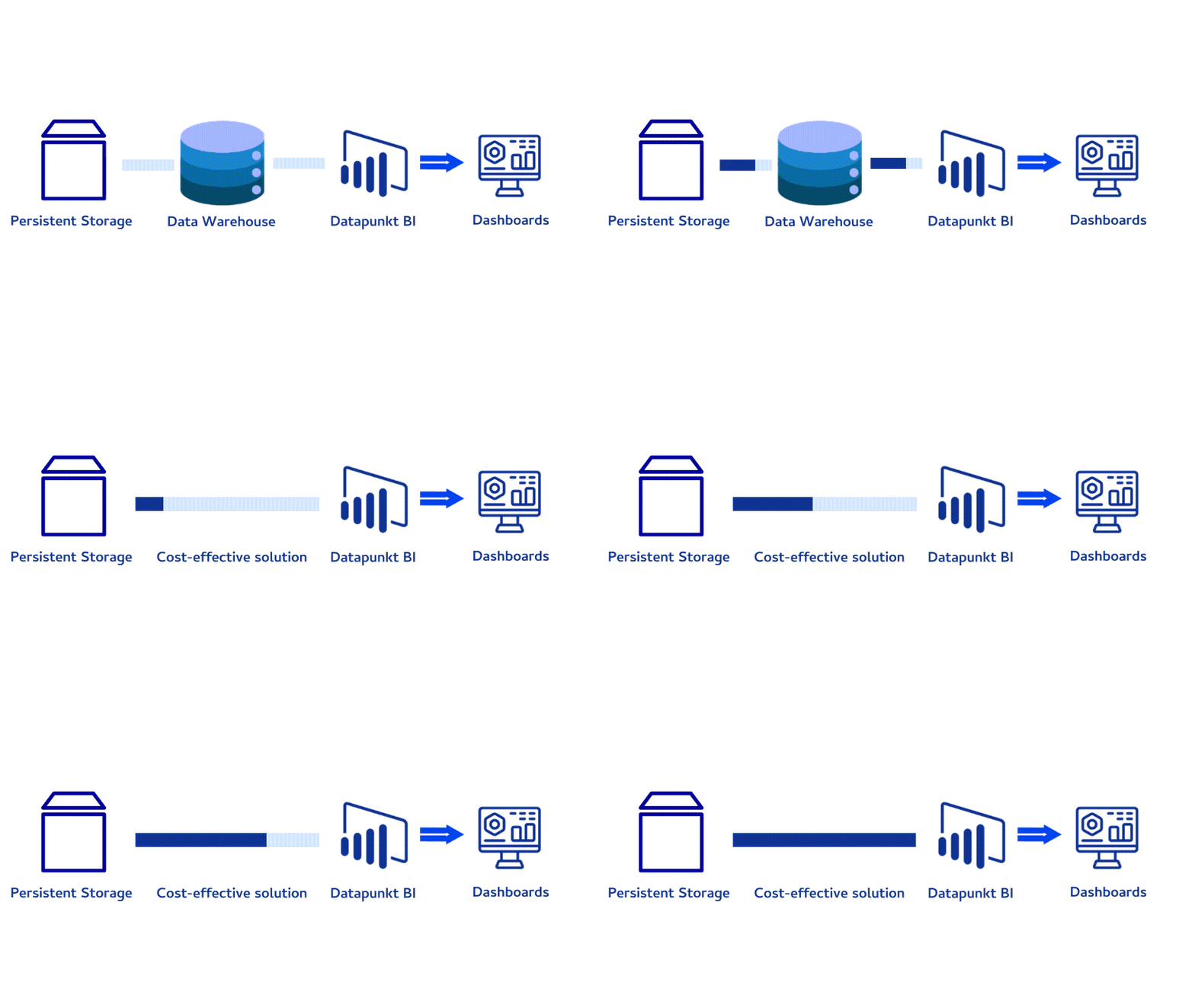
One of the key differentiators of Datapunkt is its built-in Business Intelligence (BI) capabilities, eliminating the need to integrate a separate DWH.
- Simplification of Infrastructure: With Datapunkt’s BI tools built directly into the platform, organizations can avoid complex DWH integrations and data pipelines.
- Direct Analysis: Data analysis, visualization, and reporting can be performed directly on the platform, reducing complexity, time-to-insight, and cost.
3. Advanced Performance Capabilities
Datapunkt is designed to handle the performance demands of modern data-driven businesses, ensuring that even the most complex and large-scale workloads can be processed efficiently.
- Petascale Data Handling: The platform is built to manage and analyze petabyte-scale data, ensuring high performance for even the largest datasets.
- Autoscaling: Datapunkt’s autoscaling functionality dynamically adjusts compute resources based on workload demands, providing flexibility and cost efficiency.
- Concurrency: The platform is optimized for high levels of concurrency, meaning many users can access and query data simultaneously without performance degradation.
- Cache: Leveraging advanced caching mechanisms, Datapunkt delivers accelerated query responses, reducing wait times for end users.
4. Cost Efficiency: Storage & Compute
Datapunkt’s approach to storage and compute separates it from traditional DWH solutions by offering a more cost-effective and scalable option.
- Lifecycle-Aware Storage: Datapunkt employs a storage lifecycle management system, ensuring that data is automatically tiered based on usage patterns. This significantly reduces storage costs by keeping infrequently accessed data in lower-cost storage options.
- Distributed Compute Model: The platform’s distributed massively parallel processing (MPP) architecture enables high-performance compute across a distributed system. This ensures that compute resources are used optimally, reducing costs while maintaining performance.
5. Multi-Region and Global Data Sharing
Global organizations often face challenges with data distribution across regions. Datapunkt addresses this with its multi-region capabilities and integrated data sharing functionality.
- Multi-Region Capabilities: Datapunkt allows organizations to seamlessly replicate and distribute data across multiple regions, ensuring low latency and compliance with local regulations.
- Integrated Data Sharing: Unlike traditional DWH solutions where data sharing can be a complex and fragmented process, data sharing is a core component of Datapunkt, enabling secure, efficient sharing across teams and geographies.
6. Single Access Management
Managing access to data in large organizations can be cumbersome, especially when integrating multiple systems. Datapunkt offers Single Access Management, simplifying and securing how users interact with data.
- Unified Security Layer: With a single access management framework, organizations can control permissions, roles, and access rights from a centralized system, ensuring consistency and security.
- Enhanced Security: This simplifies the protection of sensitive data, reducing the risk of breaches while streamlining governance and compliance efforts.
7. Semantic Layer Capabilities
To further streamline data usage, Datapunkt offers a Semantic Layer that provides a logical data model to define relationships and hierarchies across datasets.
- Business-Friendly Data Modeling: The semantic layer makes data more accessible and understandable for non-technical users by abstracting complex data models into business-friendly terms.
- Enhanced Query Capabilities: By organizing data into a semantic structure, users can perform more intuitive queries without needing in-depth knowledge of the underlying data schemas.
- Data Consistency: The semantic layer ensures consistent definitions and metrics across the organization, eliminating discrepancies and ensuring reliable insights.
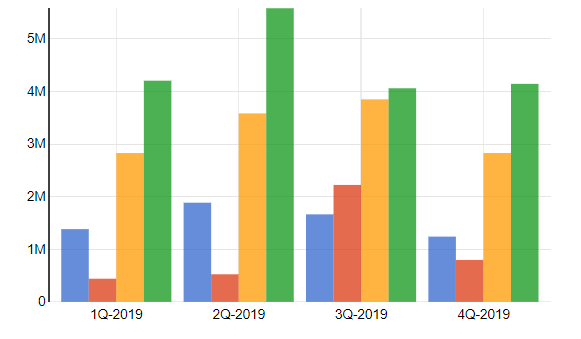
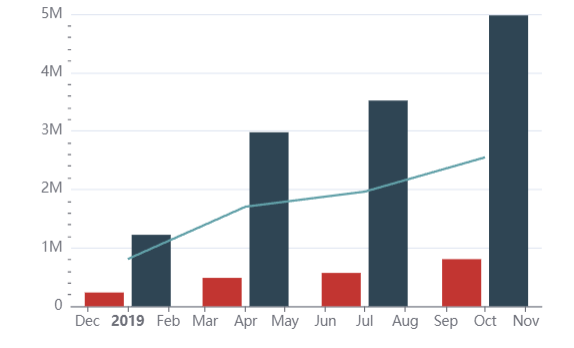
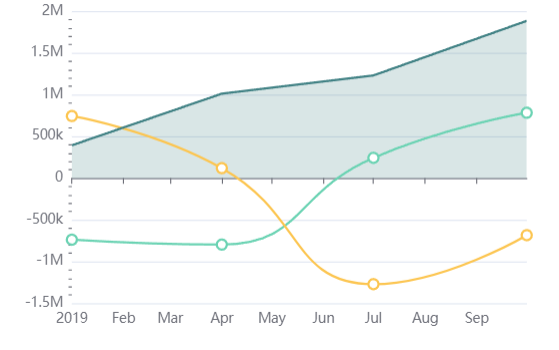
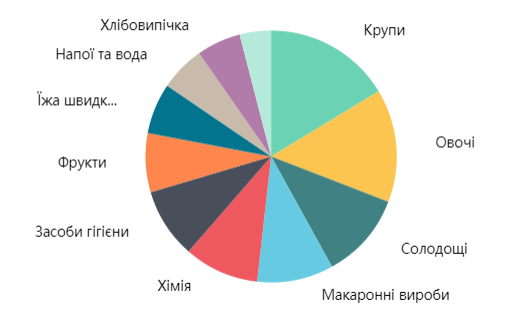
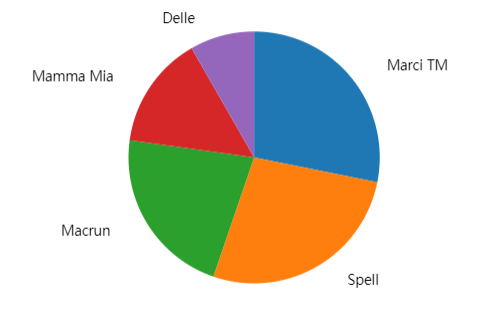
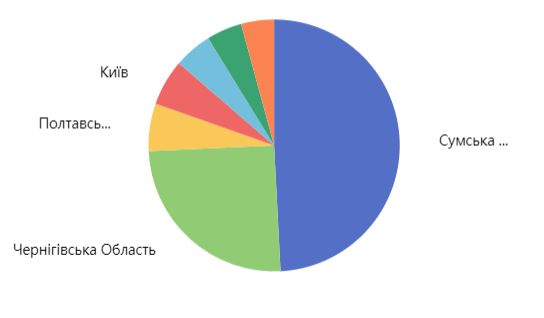
Check out our BI solutions:
Conclusion: The Future of Data Management with Datapunkt
By combining advanced BI capabilities, petascale data handling, multi-region functionality, integrated data sharing, and lifecycle-aware storage management, Datapunkt provides a complete data platform that exceeds the traditional DWH paradigm. Organizations no longer need to rely on multiple systems and tools to manage their data. Instead, with Datapunkt, they can unlock the full potential of their data in a simplified, scalable, and cost-effective way.
Datapunkt is more than just a data warehouse—it's a platform designed to support the evolving needs of data-driven businesses, from real-time analytics to machine learning, all under a single, unified framework.